
Tips on online marketing
Yes, No, Maybe

We are talking about the real prospect of recession.
Simply the Best - May Tax Madness

March and May are the only chances for the Madness heading, so I thought I'd get one in for this year.
100% pure - How green are you online?

Australia Post has just released their latest assessment of the Australian ecommerce market place; the advantage for SME's is that you get to share in comprehensive market information that is normally the prerogative of the larger players in the market.
Danger or Opportunity - Discover your online opportunities

While not all of us can "recession proof" our businesses, we can all maximize the opportunities at hand to generate more business either now or post lockdown.
Image Credit: https://hac.bard.edu/amor-mundi/learning-from-crisis-2013-02-25
Nuggets - not always earth shattering but worth a read

On a regular basis we get bits of information that aren't really earth shattering enough to send out as a complete newsletter, however they are interesting.
Accordingly I've decided to put together a regular newsletter that contains a few interesting segments.
This also means if you have something you think may be of interest, have a chat and we'll consider including it.
How to Use Google Posts for your Business
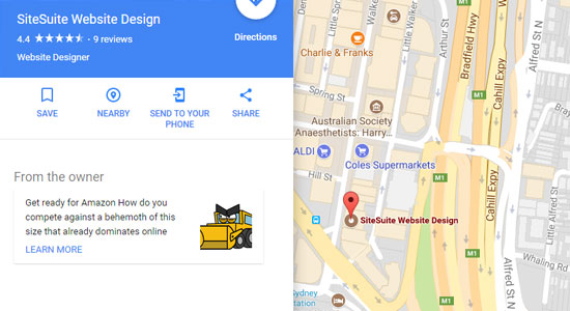
Google has recently opened up some space for posts on Google Maps.
The Beauty of Images
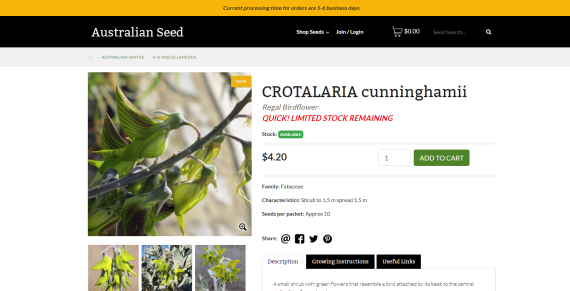
Over the years we have banged on a bit about how important great images are to a website.
Need for Speed

One of the ongoing challenges for both clients and ourselves is site loading speed. As people seek a richer experience online, they are also becoming more impatient in terms of getting where they want to online quickly. You only have to look at some of the major brand names like Snapchat and Instagram that came from nowhere in the last 10 years to get a sense of the cultural shift in expectations.
Why Websites Now Need SSL for SEO

For obvious reasons, one of the major global trends at the moment is tightening online security.
The cost of being ordinary, the real cost of a bad website?
Realising the cost of your online presence.
Google Wants To Shoot Your Business
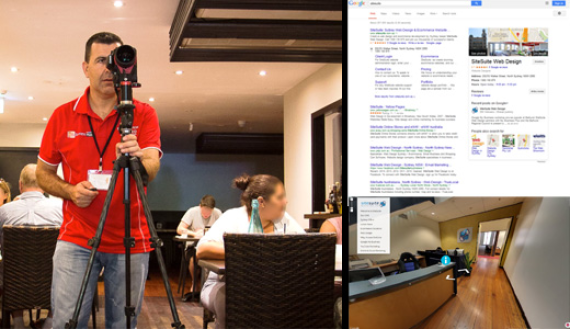
Over the last 12 to 18 months there have been numerous changes in the online marketing landscape. The majority of this change has been driven by Google as it endeavours to clean up a number of "fringe" SEO techniques that have been used to unfairly promote the search rankings of some businesses over others.
Google business view with Hotspots
A great new way to interact with your clients
As we mentioned in our last newsletter we have some very exciting new technology that we are currently launching. The first public launch was at the NSW Chamber of Commerce monthly event last Wednesday at Luna Park in front of three hundred business people.

Don’t let your competitors win – it’s time to go mobile responsive!
Internet access from mobile devices is constantly increasing in Australia and in many other markets. Almost 69% consumers of the age group 25 to 34 go online with their mobile phones or tablets to send emails, connect with friends or shop online. That's a lot of people who are transferring their shopping experience from their desktop PCs to their iPhones, Android phones or iPads or other tablets. Are you ready for your mobile customers?
In search of a Value Proposition

Very many business people simply don’t have a clear view about what is unique about their business.
The impact of this can be far greater than you might imagine, because it’s this unique business quality that defines so much of the communication that a business will have with potential customers, whether that’s sales conversations, advertising, PR, and of course online activity, from the website design to social media. For the website, the distinctive qualities will define the style the copy will written in, the page layout style and even the graphic design. These elements all need to be crafted to support the unique value proposition.
Top Secret SEO Tips, aka “Waiter there’s a Hummingbird in my search”

Last week, the Google Hummingbird update was announced, and rather than just a normal algorithm update, this is a complete rewrite of the core ranking engine. The update heralds a fundamental change in online search that will impact on search for years to come; find out what you need to know about this update and how it might affect you.
- Product News (10)
- Ecommerce (19)
- Web Design (11)
- Digital Marketing (39)
- Website Content (24)
- Blogging (9)
- SEO (20)
- Getting Started (6)
- Social Media (10)
- The Guest Blog (10)
- Observations (2)
- Videos (5)
- Security (3)
Don't Miss Anything
Get email updates when the next blog is posted.
Ecommerce
Web Design & Development
Online Marketing
by SiteSuite
Everything you need for online success